

How to Choose the Right Barbells
⚡ Quick Answer: Best Barbells
Best for Heavy Lifters: CAP The Beast 7FT Olympic Barbell, Pro Series Weight Bar, 1,200 lb Capacity
$149.0 — Check price on Amazon →
Table of Contents
Stop buying bars that feel like greased poles. You need aggressive knurling that bites into your calluses without tearing your skin off. Look for a medium-to-aggressive sandblast or bead-blast finish. If you are doing heavy cleans, you need a bar that stays put when your hands get slick with chalk.
Standard competition bars are 29mm, but most home gym bars sit at 28.5mm or 30mm. A 30mm Olympic bar is non-negotiable for heavy compound lifts like squats and deadlifts because it handles more torque. Check the whip rating if you are doing dynamic movements like snatches, but don't get distracted by marketing fluff. A stiff bar under a heavy squat is safer than a bouncy one.
Main Points
- Verify tensile strength and steel gauge before trusting any "1,000 lb" claim; CAP The Beast leads with a 1,200 lb capacity, signaling higher-grade steel than the JELENS 1,000 lb model.
- Knurling pattern is non-negotiable for deadlifts and cleans—look for aggressive, deep knurling that bites without shredding skin, as cheap bars often use shallow, ineffective cuts.
- Spin mechanism matters for Olympic lifts; bushings or needle bearings prevent bar twist during snatches, a feature often missing in budget chrome bars like the basic CAP 35 lb model.
- Weight tolerance is critical for competition prep—ensure the bar is within ±10g of stated weight if you track progressive overload precisely, as cheap bars can vary by ounces.
- Footprint and storage dictate home gym utility—7ft bars require dedicated space; measure your garage clearance before buying, as these aren't foldable dumbbells.
Our Top Picks
Affiliate disclosure: if you buy through these links, we may earn a commission at no extra cost to you.

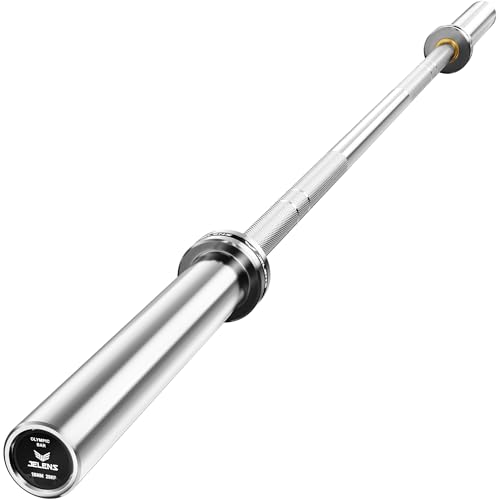

Factors to Consider
Knurling Pattern and Traction
Shaft Diameter and Whip
Load Bearing Capacity and Sleeve Spin
Ignore the "500 lb capacity" sticker if the bearings are cheap. You need sealed ball bearings for smooth spin, especially for Olympic lifts. The sleeve should rotate independently of the shaft without wobble. If the sleeves wobble under load, you are risking injury and wasting energy fighting the bar.
Steel Gauge and Coating
Look for 1900+ MPa tensile strength steel. Anything less is soft and will bend under heavy loads. Chrome is easy to clean but scratches. Cerakote is durable but expensive. Black oxide is the sweet spot for home gyms—cheap, rust-resistant, and low maintenance. Don't pay extra for gold plating unless you want to show off.
Warranty and Brand Reputation
A lifetime warranty on the shaft is standard for reputable brands. If they offer a 1-year warranty, run. Check if the warranty covers knurling wear and sleeve bearing replacement. Brands like Rogue, Eleiko, and Sorinex have proven track records. Cheap no-name bars from Amazon will fail under heavy use.
Frequently Asked Questions
What is the best barbell diameter for home gyms?
For most home gym lifters, a 28.5mm or 30mm diameter is ideal. 30mm bars handle more torque and are better for heavy squats and deadlifts. 28.5mm bars are more versatile for grip-intensive work like pull-ups and cleans. Avoid 25mm women's bars unless you have small hands.
Do I need a competition barbell for home use?
Only if you are training for competition. Competition bars have specific whip and knurling standards that are overkill for most home lifters. A standard training bar will serve you just fine for 99% of your workouts. Save your money for bumper plates.
How do I know if a barbell is too whippy?
Whip is the flex in the bar under load. Too much whip makes heavy squats unstable. If the bar bends more than 2-3 inches under a heavy squat, it's too whippy for strength training. Look for bars with a "training" or "power" designation, not "weightlifting."
What is the difference between a power bar and an Olympic bar?
Power bars have more aggressive knurling and less whip for heavy compound lifts. Olympic bars have more whip and smoother knurling for dynamic movements like snatches. If you are doing both, a hybrid bar is best. If you only do one, buy the specialized bar.
How much should I spend on a quality barbell?
Expect to pay $200-$400 for a solid home gym bar. Bars under $150 are usually low-quality steel with poor knurling. Bars over $600 are usually competition specs you don't need. The sweet spot is $250-$350 for a bar that will last decades.
Can I use a barbell without a rack?
You can, but it's dangerous for heavy lifts. A barbell without a rack requires a spotter or safety bars. For home gyms, always use a power rack or squat stand with safety pins. Never attempt a 1RM deadlift or squat without proper safety equipment.
How do I maintain a barbell to prevent rust?
Wipe down the bar with a dry towel after every workout. Apply a thin layer of bar soap or mineral oil for black oxide bars. Chrome bars can be wiped with a damp cloth. Never store the bar on concrete floors. Keep it on a rack or bar holder.
Conclusion
Invest in a barbell that matches your lifting style and load requirements. A quality bar from a reputable brand will outlast cheap alternatives by decades. Don't skimp on the bar—it's the foundation of every lift you'll ever make.


