

Affordable Gym Flooring Tiles For Noise Reduction
Thickness is your primary insurance against noisy, destructive drops. For heavy deadlifts and repeated bumper plate drops aim for 25–38 mm (1" to 1.5") rubber or a layered solution with a 25 mm tile over a firply platform; anything under 10 mm is amateur hour. Density matters more than thickness alone — look for solid rubber or high‑density SBR/EPDM in the 1,000+ kg/m³ range for real compression resistance and rebound.
Table of Contents
Our Top Picks
Affiliate disclosure: if you buy through these links, we may earn a commission at no extra cost to you.


Factors to Consider
Thickness & density — match the drop
Material — rubber beats EVA for serious lifting
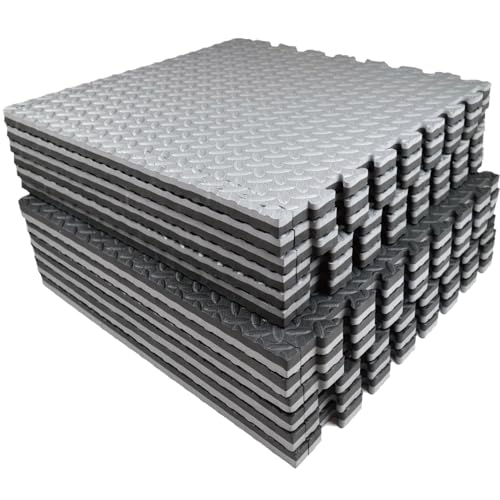
Recycled rubber and virgin EPDM/SBR are the workhorses. EVA foam tiles are cheap and fine for mobility/stretch zones or light dumbbells, but they crush under barbell center plates and high RPE drops. If you want sound deadening plus long life, choose bonded or vulcanized rubber with minimal porosity — it resists flakes, oil, and permanent compression.
Tile size, seams, and footprint — cover correctly
Tile geometry changes installation time and seam performance. Large 24"x24" or 36"x36" interlocks reduce seams and movement; small 12"x12" fit odd rooms but shift under racks and sleds. Plan coverage around the rack and bar path — deadlift platforms need a continuous 6–8 ft length with seamless joins or embedded stall mats under the drop zone.
Load capacity & compression set — protect the floor and your plates
Tiles should resist point loads from bumper hubs and dumbbell edges without bottoming out. Look for manufacturer specs on compression set (<10% after 25% static load is a good benchmark) and a high rebound rate for noise control. Don’t trust vague “heavy duty” labels — demand psi or kg/cm² ratings and real customer footage of loaded racks and loaded deadlifts.
Noise reduction, vibration, and warranty/value
Sound ratings (IIC, STC) help, but real-world tests with 20–40 kg drops tell the story. Cheaper EVA tiles mute footsteps but transmit plate impact to joists; dense rubber converts impact to surface flex and thermal dissipation. Expect to pay $2–$6 per sq ft for useful, durable rubber tiles and prioritize a 5–10 year limited warranty for peace of mind.
Frequently Asked Questions
How thick should gym tiles be for regular bumper plate drops?
For repeated bumper drops use 25–38 mm (1"–1.5") dense rubber or a platform with a 25 mm rubber surface over wood. Thinner tiles will protect the subfloor less and transmit more impact noise and vibration.
Can EVA interlocking tiles handle heavy deadlifts and loaded barbells?
No — EVA compresses and flattens under heavy 1RM deadlifts and barbell hubs, leading to uneven surfaces and accelerated wear. Keep EVA only for light-duty areas like stretching, mobility, or cardio zones.
Do interlocking tiles stop noise to the downstairs neighbor?
They help, but don’t expect miracles unless you use dense rubber 25 mm+ or add mass-loaded layers. Sound travels through joists; a sacrificial deadlift platform or isolated stall mat under the drop zone is the only reliable way to reduce impact transmission.
Can I install tiles over concrete, plywood, or laminate floors?
Yes — concrete and plywood are ideal substrates. On laminate or vinyl, ensure the surface is flat and lay a moisture barrier if needed; use adhesive or ramp edges if the interlocks shift on slick floors.
How many tiles do I need to cover a 10x10 ft area?
Calculate square footage: 10x10 ft = 100 sq ft. If tiles are 2 ft x 2 ft (4 sq ft), you need 25 tiles; account for cuts and edges by ordering 5–10% extra. Buy in matched batches to avoid color/compound variation.
Are rolled rubber mats better than interlocking tiles?
Rolled rubber gives a seamless surface with fewer joints and better load distribution, making it quieter under drops. Tiles win for DIY install and storage flexibility; choose rolls for platforms or commercial setups where seams become a problem.
How do I clean and maintain rubber gym tiles?
Daily sweeping and occasional mopping with a pH-neutral cleaner is enough; avoid petroleum‑based solvents and bleach. Rotate high‑wear zones and inspect seams quarterly — replace any tiles with permanent compression or edge separation.
Conclusion
If you train heavy, buy dense rubber tiles and treat the deadlift/drop zone like a serious investment — 25–38 mm rubber or a platform with a thick rubber top is the baseline. Skip cheap EVA for any load-bearing use; it saves money now and costs you in noise, wear, and uneven lifts later.
Best value: go with 24"x24" interlocking recycled rubber at ~3/4" for general coverage and add a 1" stall mat under the bar path for weekend Olympic work. No frills. No gimmicks. Just durable, quiet lifting.


