

Best Gym Flooring For Heavy Equipment In Basements
🏆 Top Picks at a Glance
 #1
#1
Best Overall
Baselayer Performance Series Interlocking Floor Tiles - Durable ½ in TPE (Rubber Like, NOT Foam, no Odor) - Gym Flooring for Weights & Heavy Equipment - Black, 15 SqFt (6 Pack) - Made in USA
$129.99
Check Price → #2
#2
Runner Up
SUPERJARE 1" Extra-Thick Rubber Top Exercise Mat, Puzzle Gym Flooring for Home Gym, Gym Mat for Workout Equipment, Interlocking Floor Tiles with EVA Foam, 12 Pcs 48 Sq Ft, Black/Grey
$189.99
Check Price →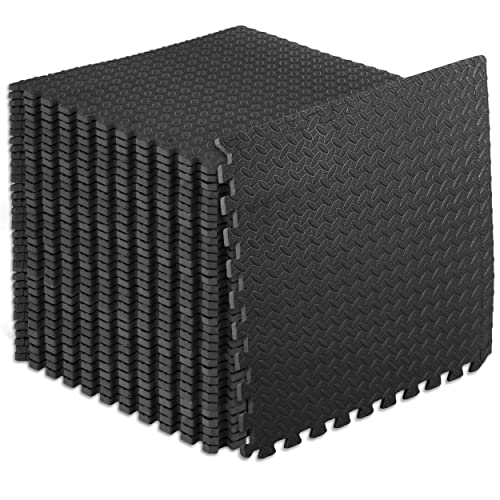 #3
#3
Best Value
ProsourceFit Puzzle Exercise Mat ½ in, EVA Interlocking Foam Floor Tiles for Home Gym, Mat for Home Workout Equipment, Floor Padding for Kids, Black, 24 in x 24 in x ½ in, 144 Sq Ft - 36 Tiles
$139.99
Check Price →Our Top Picks
Affiliate disclosure: if you buy through these links, we may earn a commission at no extra cost to you.
Factors to Consider
Weight capacity & thickness — don’t underspec the floor
⚡ Quick Answer
Match thickness to how you train. For machine pads and cardio a 3/8" (10mm) mat is fine; for a loaded power rack and barbells you want 1/2"–3/4" (12–19mm) minimum, and 1" (25mm) or thicker for regular bumper-plate drops. Thickness alone isn’t everything — density and durometer determine how the floor distributes point loads from rack feet and barbell impacts. If you plan to push near your 1RM or drop at RPE 9–10 repeatedly, budget for thicker, denser rubber or a real platform under the deadlift station.
Table of Contents
Material & durability — virgin rubber beats foam for heavy gear
There are three common materials: EVA foam (cheap, compresses fast), recycled SBR rubber (alright for general use, can smell and shed), and virgin rubber/EPDM (best abrasion resistance, less odor, longer life). Foam tiles are fine for mobility work and light dumbbells — they tear and compress under racks and heavy kettlebells. If you want a basement that actually lives with a power rack, skip the EVA; spend on rubber or horse-stall–grade mats only as a budget stopgap.
Footprint & layout — plan for the rack, bar path, and plate storage
Measure the full footprint including pull-up bar, barbell length, and storage. A single rack plus bar needs at least 6' x 8' as a bare minimum; I run 8' x 10' or larger for squats, bench, and barbell moves without banging into walls. Put the rack on a single continuous mat or roll to avoid seams under legs — seams create torque points and can shift during heavy singles. Leave room for a platform or sacrificial deadlift area where you actually drop plates.
Basement factors — moisture, leveling, and ventilation
Basements add two constraints: moisture and limited headroom. Install a 6-mil vapor barrier or peel-and-stick membrane if the concrete sweats; recycled rubber can trap moisture and stain if you skip this. If the slab isn’t level, use thin-setting compound under a plywood subfloor or choose interlocking tiles that compensate slightly — but don’t expect tiles to cure a three-quarter-inch dip. Ventilate when installing virgin rubber or mats to minimize smell, and avoid petroleum-based cleaners that degrade recycled rubber.
Installation style, sound control & warranty — value per dollar
Rolls give fewer seams and better under-rack stability; tiles are easier to customize and replace. For sound and impact deadening, thicker high-density rubber or a plywood/platform combo beats cheap tiles every time. Check durometer (70–85A is common) and ask for commercial warranties — one year is weak, five-to-ten years is acceptable for a home setup. Don’t overpay for branding; buy specs: thickness, density, warranty, and square-foot price.
Frequently Asked Questions
Do I need special flooring for a basement gym?
Yes. Basements have concrete slabs and moisture issues that make standard foam tiles a bad long-term choice for heavy equipment. Use rubber (or a plywood subfloor + platform) with a vapor barrier to protect the concrete and your gear.
How thick should flooring be for a power rack and loaded barbells?
For a power rack and heavy barbells run at least 1/2"–3/4" (12–19mm) of dense rubber. If you’re dropping bumper plates regularly, step up to 1" (25mm) or build a dedicated platform with rubber flanking wood center.
Can I drop plates on rubber flooring?
Yes — but only if the rubber is thick and dense enough or if you have a purpose-built platform. Thin EVA tiles and cheap recycled mats will tear and compress; expect to replace them quickly. For repeated bumper drops, use 1" rubber, a layered stall-mat setup, or a wood platform with rubber edges.
Are interlocking tiles good under a power rack?
Interlocking tiles work if they’re thick, high-density, and installed with no seams under rack feet. Most economy tiles are too soft and will compress or shift under concentrated loads. Rolls or continuous sheets are more stable for rack placement.
Will rubber flooring smell in a closed basement?
Recycled rubber and horse stall mats can off-gas and smell, especially in poorly ventilated basements. Virgin EPDM or commercial-grade rubber has less odor; ventilate after installation and let mats air out for a few days to minimize smell.
How do I handle moisture under the mats?
Always install a 6-mil polyethylene vapor barrier between the concrete and the mat if the slab is prone to sweating or you’ve had past moisture issues. For chronic moisture, consider a raised plywood subfloor or consult a contractor — preventing moisture damage trumps cheap fixes.
What’s the best value: stall mats, rolls, or premium tiles?
Stall mats are the best budget option for durability and impact resistance but can smell and are heavy to move. Rolls give the cleanest coverage and fewer seams for the price, while premium tiles offer nicer aesthetics and modularity at higher cost. Pick based on use: stall mats or rolls for heavy lifting, tiles for light-to-medium use and finish.
Conclusion
If you’re building a real home gym in a basement, skip foam and cheap tiles. Buy dense rubber — 1/2" minimum for racks, 1" for frequent drops — or build a platform where it matters; use a vapor barrier and plan the footprint to fit your lifts. Value per dollar: thick rubber rolls or quality stall mats under a platform give the best long-term performance for serious lifters.


